23 exercises you can do at home with a chair and a counter, drawn from programmes tested in trials. Every recommendation links to its source.
This is a long game. Two or three short sessions a week, kept up for years, matter more than a hard month. Slow progress is good progress.
Before you start
Tap a card to read more and see the source.
Check with your doctor firstIf you are inactive and have heart, kidney or metabolic disease, or get symptoms with effort.
Check with your doctor first if you are not currently active and have heart, kidney or metabolic disease such as diabetes, or get symptoms like chest pain, breathlessness or dizziness with effort.
Osteoporosis: protect your spineSkip forward bends, hard twists, sit-ups and toe-touches.
If you have osteoporosis, avoid bending forward from the waist, twisting the spine to the point of strain, sit-ups, abdominal crunches and toe-touches; bend at the knees and hips with a straight back instead.
Osteoporosis: what helpsStrength, balance and back-straightening exercises.
People with osteoporosis are advised to do strength, balance and back-straightening exercises and to avoid postures with a high degree of forward spine bending; those with spine fractures should usually keep impact to brisk walking level.
Arthritis: choose low impactWalking, cycling, swimming or tai chi. See your provider if pain lasts.
With arthritis, choose low-impact activities such as walking, cycling, swimming or tai chi that cause little or no pain; some discomfort at first is normal, but see your provider if pain persists or worsens.
WHO: balance and strength, 3 daysFor adults 65 and over, to improve function and prevent falls.
The World Health Organization advises adults 65 and over to do varied multicomponent activity that emphasises functional balance and strength training on 3 or more days a week to improve function and prevent falls.
WHO matches the US targets150 to 300 minutes, plus strength on 2 or more days.
The World Health Organization gives the same weekly targets as the US guidelines: 150 to 300 minutes of moderate aerobic activity and muscle strengthening on 2 or more days.
ACSM: strength and balance, 2 to 3 daysEach major muscle group, plus agility and coordination.
The American College of Sports Medicine recommends resistance exercise for each major muscle group and balance, agility and coordination exercise on 2 to 3 days a week.
ACSM: stretch 2 days a week60 seconds in total for each stretch.
The American College of Sports Medicine recommends flexibility exercises for each major muscle group, totalling 60 seconds per stretch, on 2 or more days a week.
One set of 8 to 12 worksTwo or three sets may work better.
The National Institute on Aging says one set of 8 to 12 repetitions of each strength exercise is effective, and two or three sets may be more effective.
CDC: three things every weekAt 65 and older: 150 minutes, 2 strength days and balance activities.
The CDC says adults 65 and older need at least 150 minutes of moderate activity, at least 2 days of muscle strengthening, and balance activities such as heel-to-toe walking or standing from sitting each week.
Avoid an inactive lifestyleA plan should include aerobic, strength and flexibility exercise.
The ACSM position stand for older adults says an exercise plan should ideally include aerobic, muscle-strengthening and flexibility exercise, and that all older adults should avoid an inactive lifestyle.
Five short tests. Do them today, write down your results, and take the challenge again every three months to see how far you have come.
A30-second chair stand

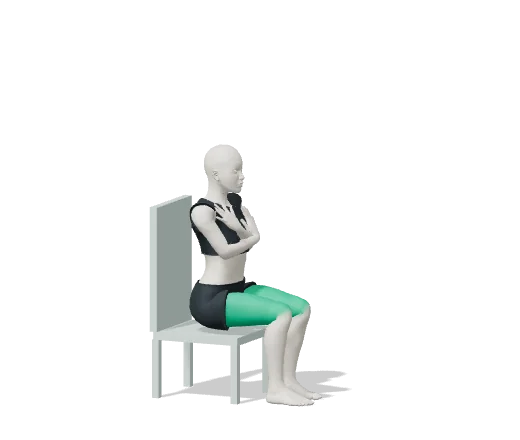

1. Sit with arms crossed on your chest
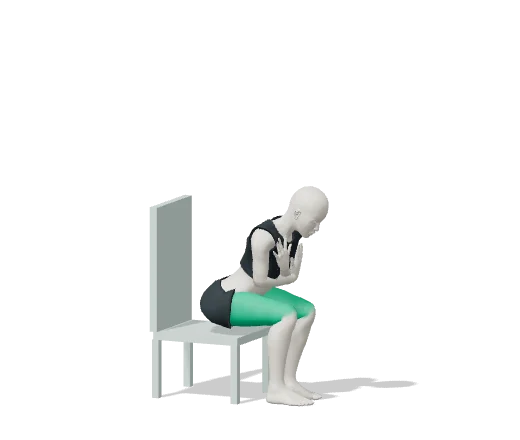
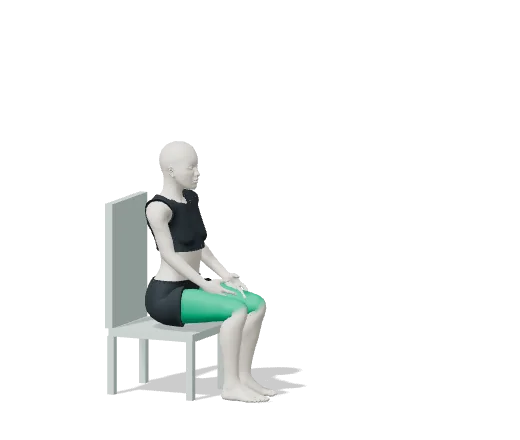
2. Lean forward over your knees
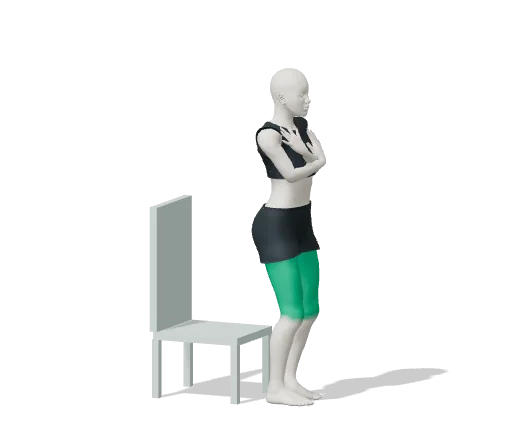
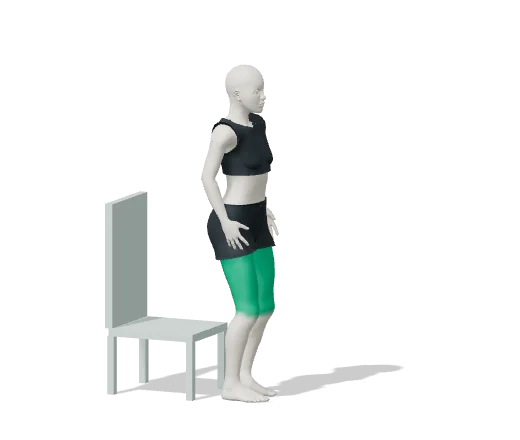
3. Stand up fully, then sit back down
Sit in the middle of a straight-backed chair about 17 inches high with arms crossed on your chest and feet flat. Count how many times you can stand up fully and sit back down in 30 seconds without using your arms.
What to aim for: Below average for men is under 14 at ages 60 to 64, under 12 at 65 to 74, under 11 at 75 to 79, under 10 at 80 to 84, under 8 at 85 to 89 and under 7 at 90 to 94; for women it is under 12 at 60 to 64, under 11 at 65 to 69, under 10 at 70 to 79, under 9 at 80 to 84, under 8 at 85 to 89 and under 4 at 90 to 94.
With eyes open and no support, hold each of four positions for 10 seconds: feet side by side, instep of one foot beside the big toe of the other, one foot directly in front of the other heel to toe, then standing on one foot. Have someone stand next to you.
What to aim for: Being unable to hold the heel-to-toe stand for at least 10 seconds signals a higher risk of falling.
From sitting in a standard armchair, stand up, walk 10 feet at your normal pace, turn, walk back and sit down. Time it from Go until you are seated again.
What to aim for: Taking 12 seconds or longer signals a risk of falling; healthy averages are about 8 seconds in the 60s, 9 seconds in the 70s and 11 seconds from age 80.
Mark out a flat course of known length, walk it at your normal pace and divide the distance in metres by the time in seconds.
What to aim for: Each 0.1 metre per second faster is linked to a 12% lower risk of death; 0.8 metres per second or slower is the cut-off European experts use for low physical performance.

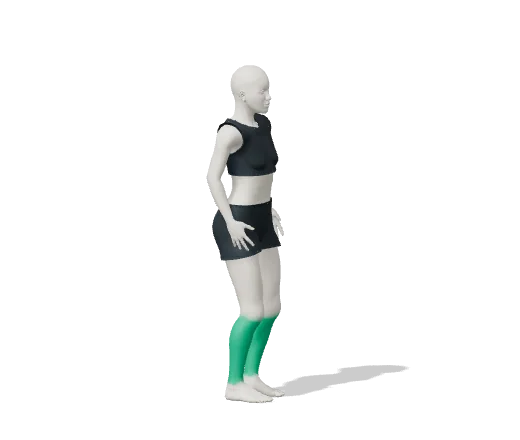
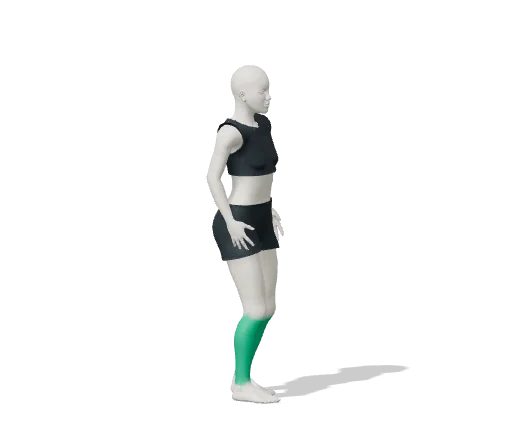
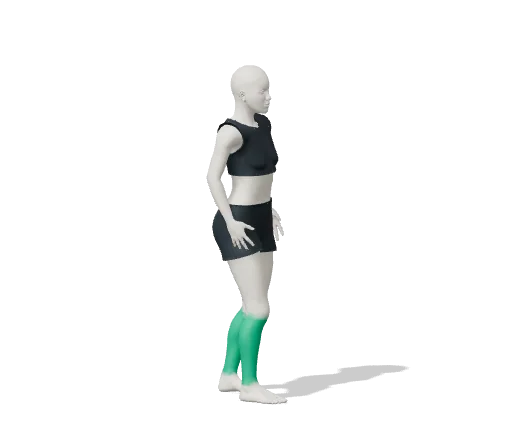
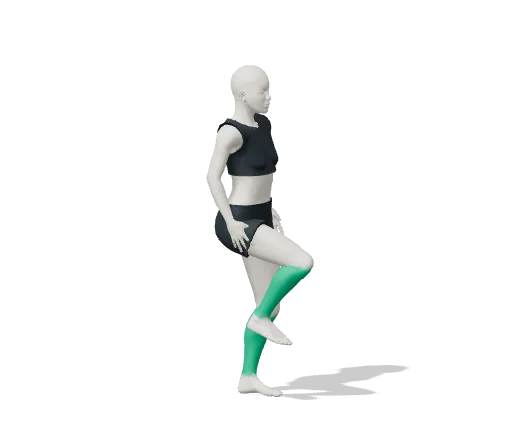
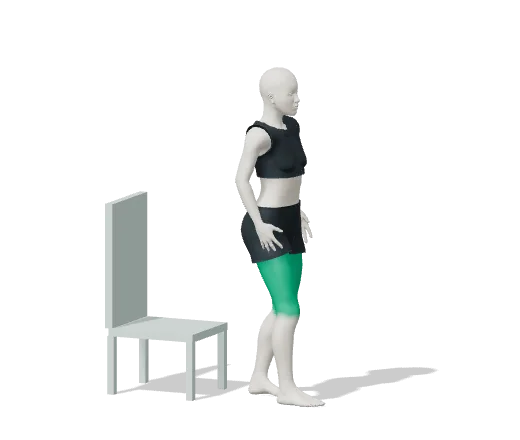
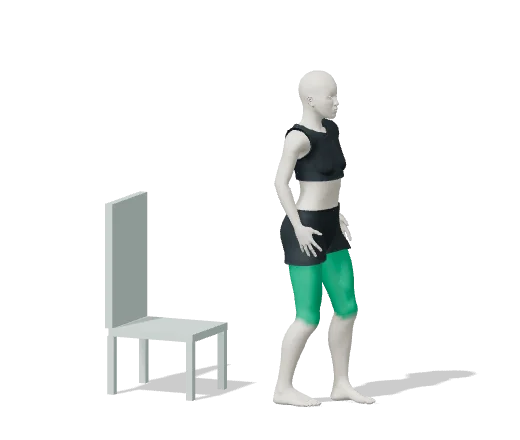

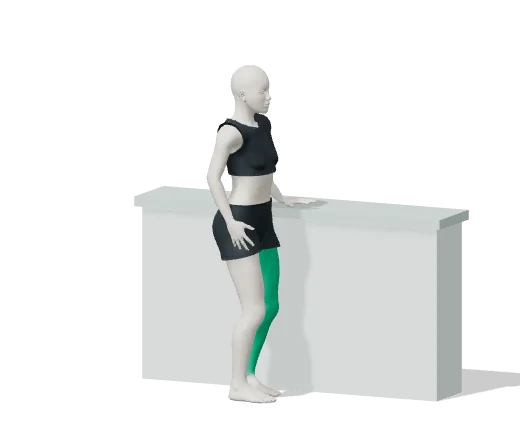
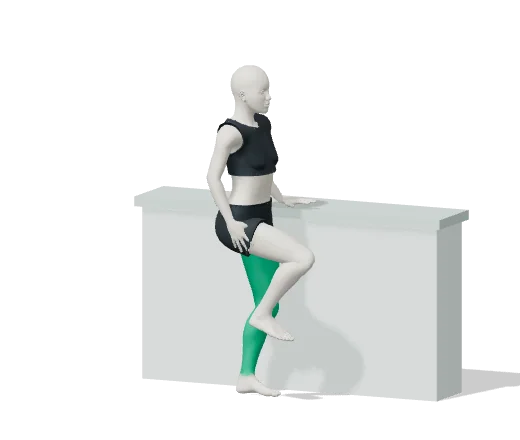

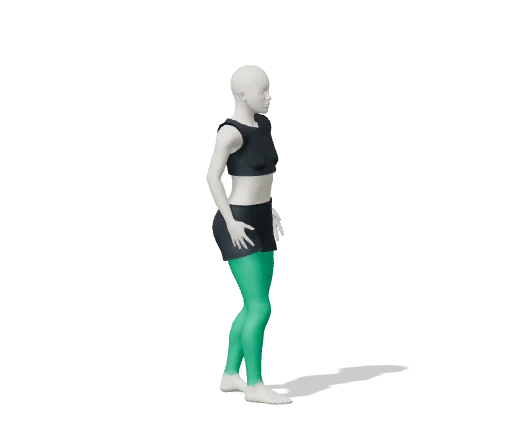
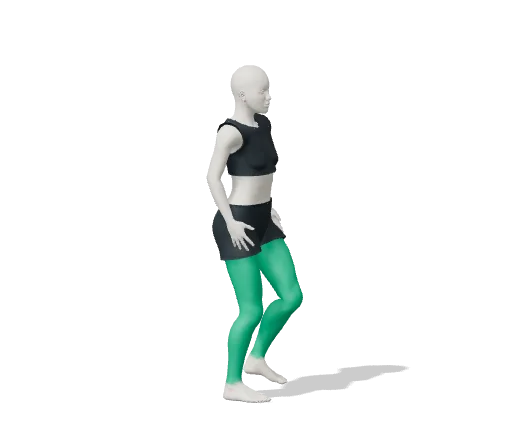
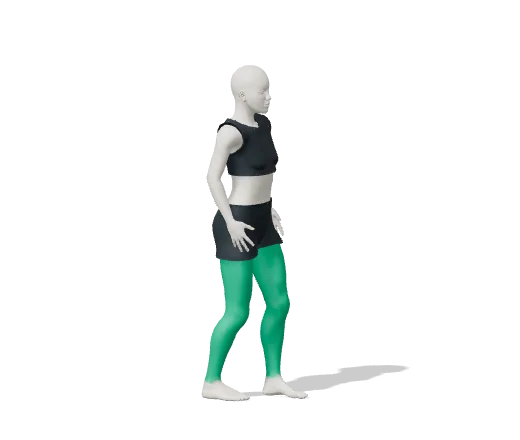

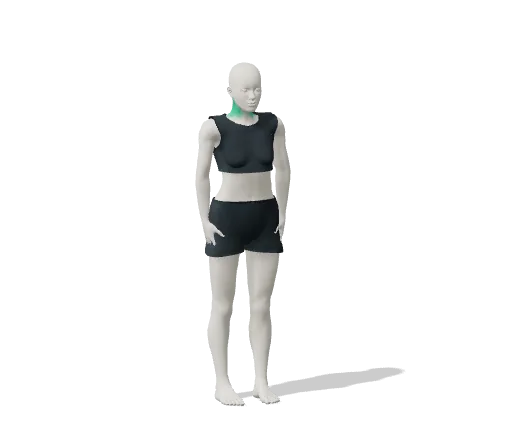
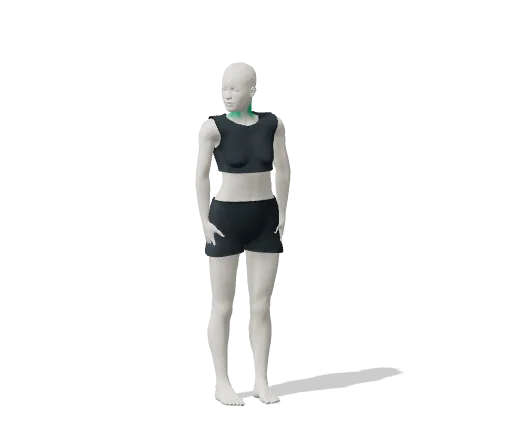
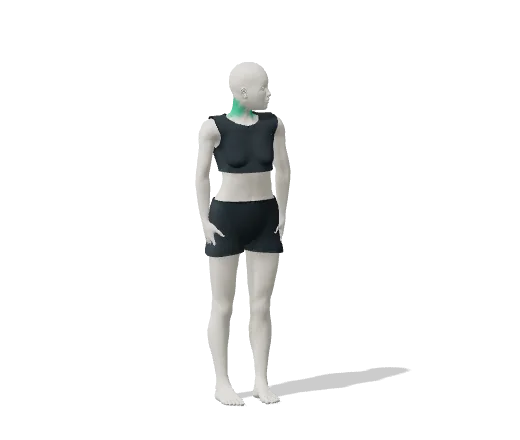

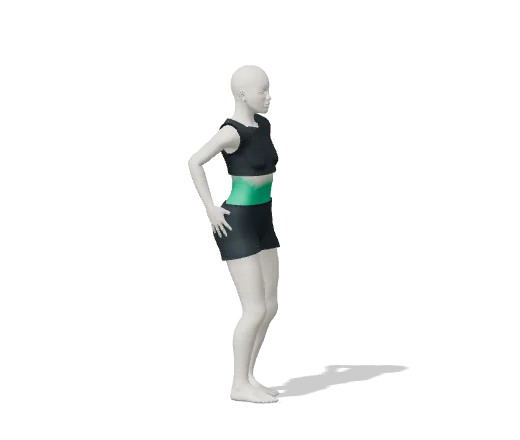
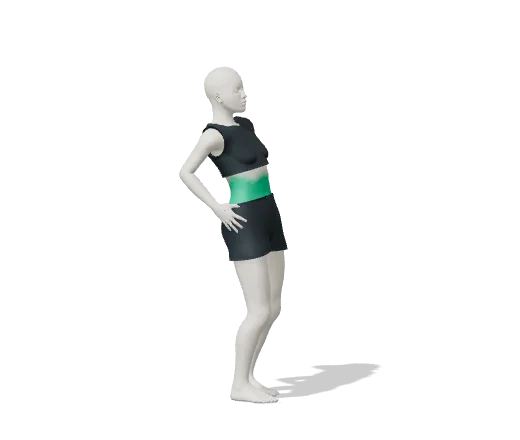

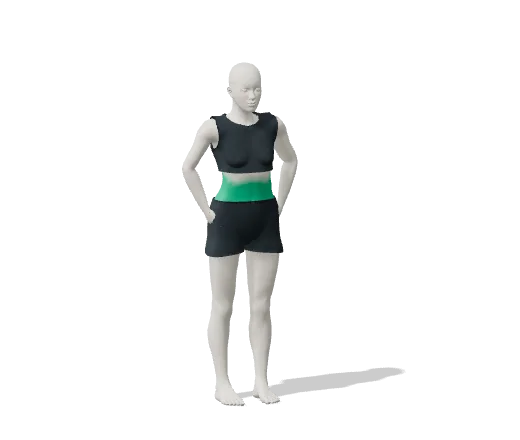
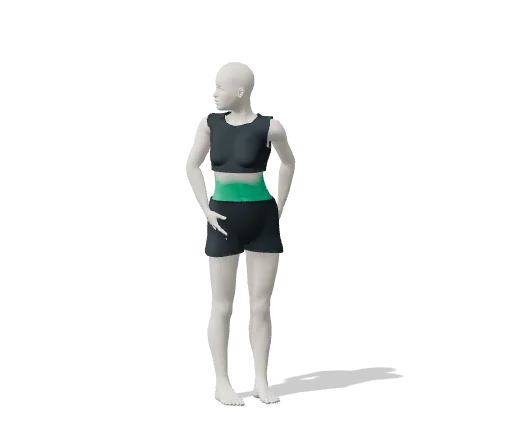
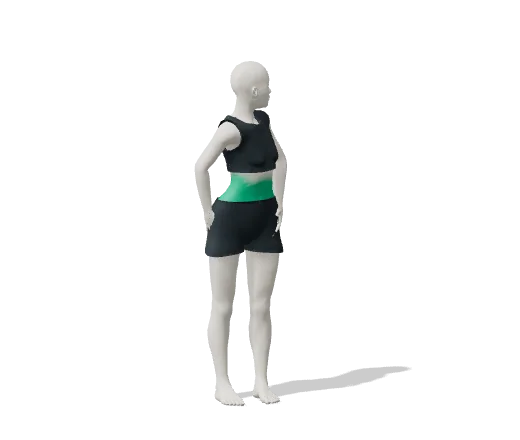

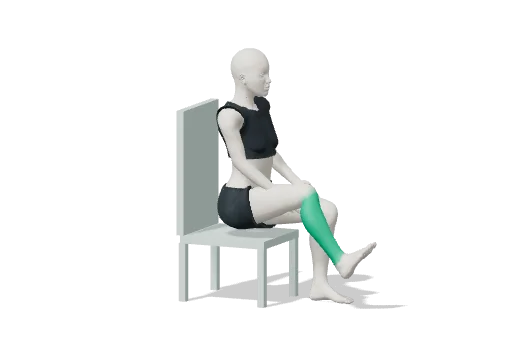
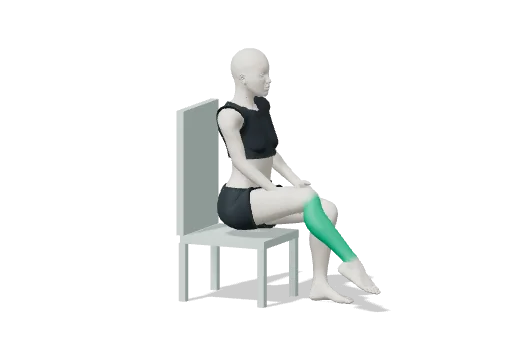

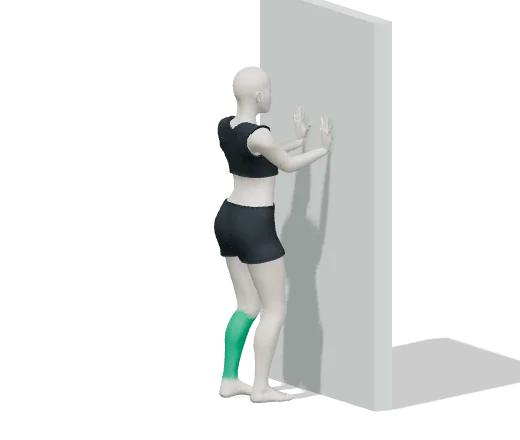
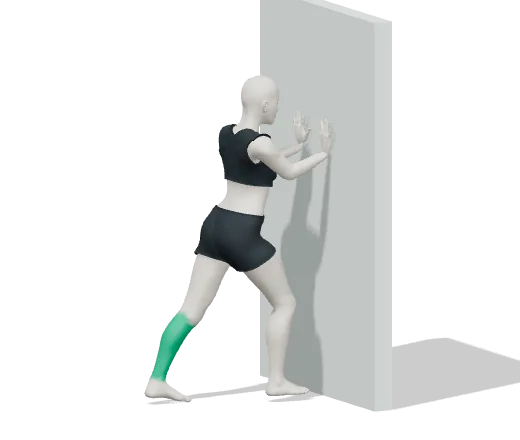

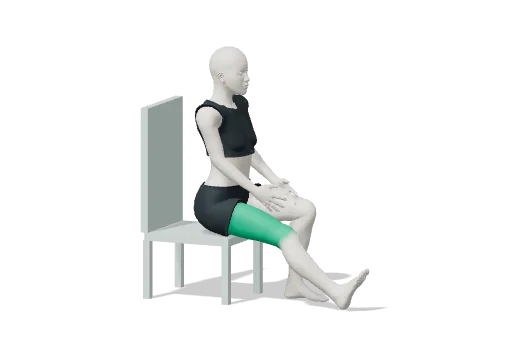
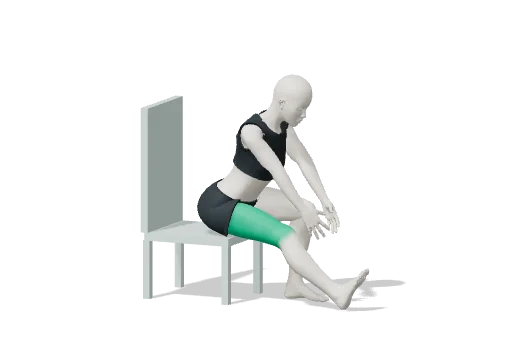

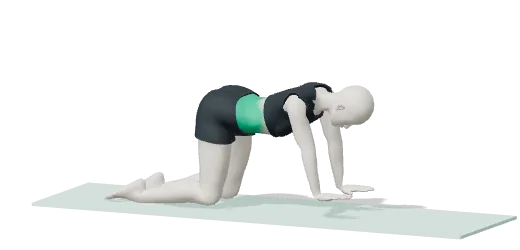
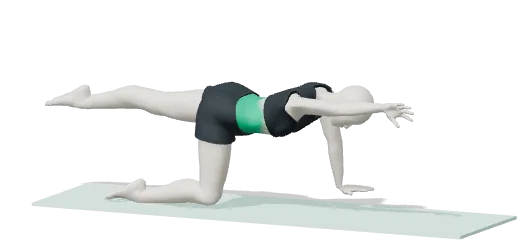

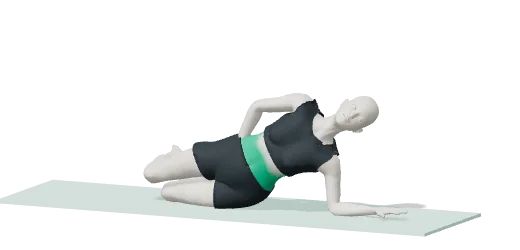
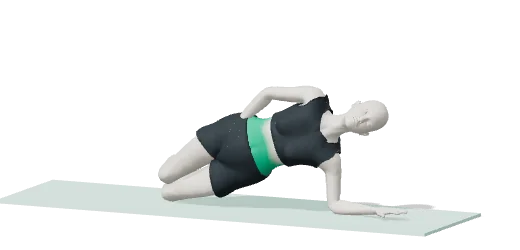

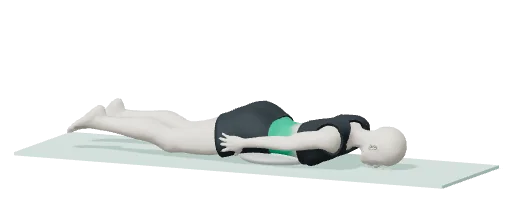
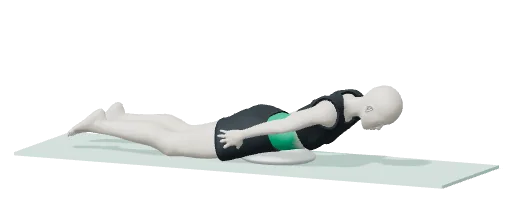

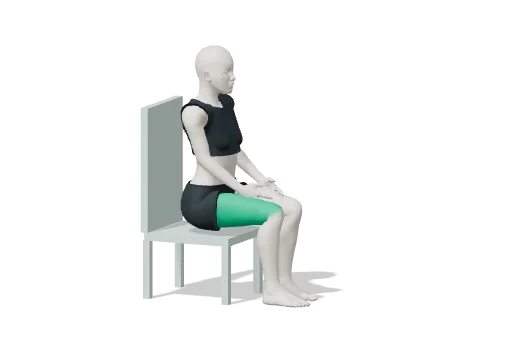
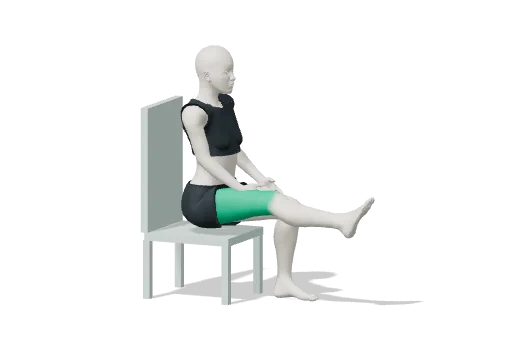

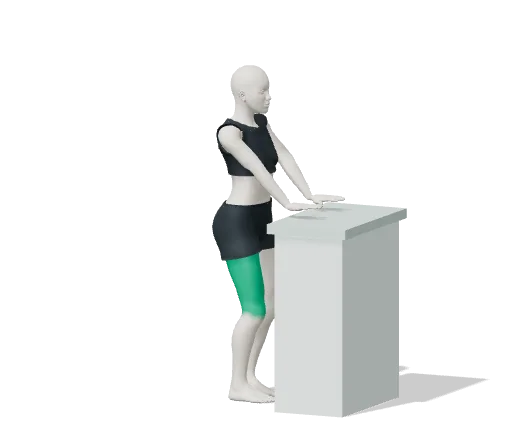
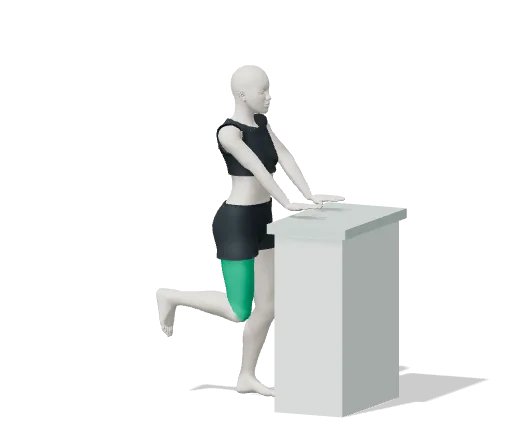

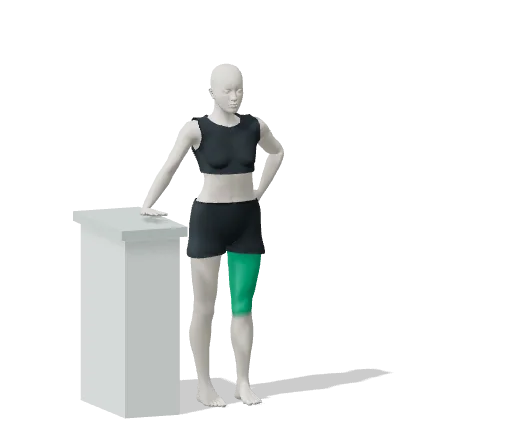
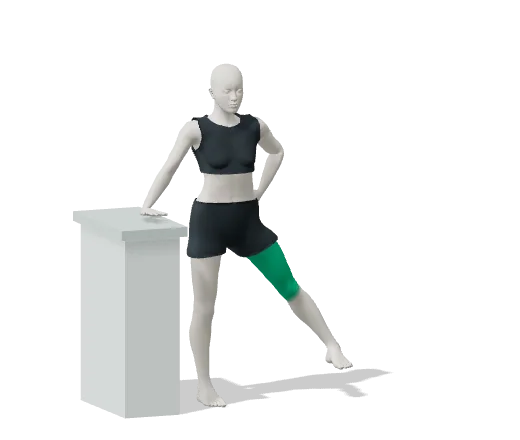

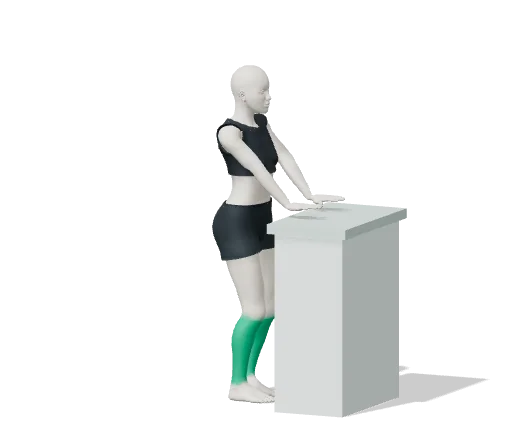
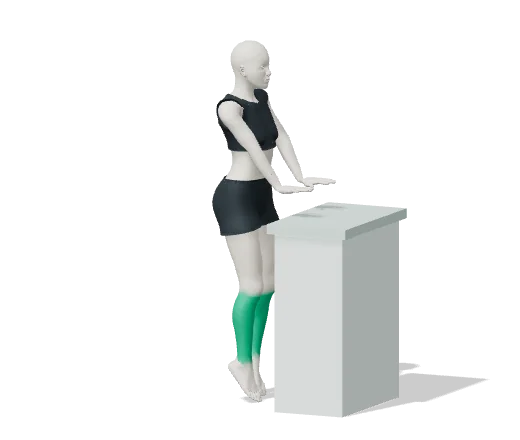

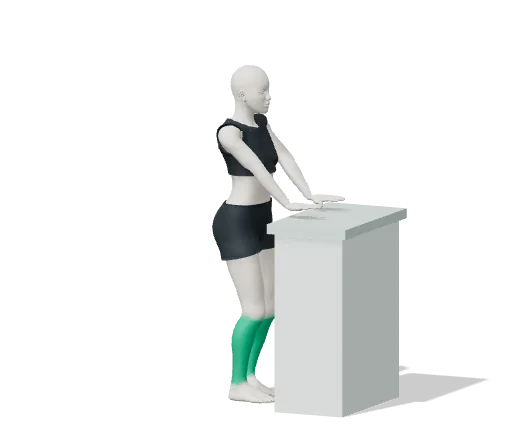
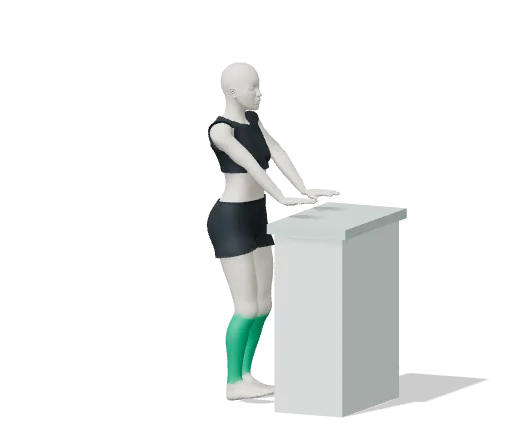

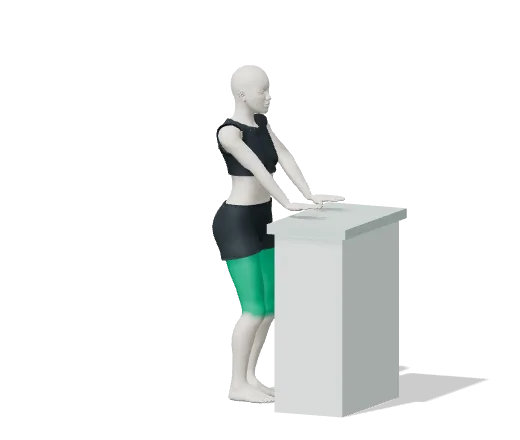
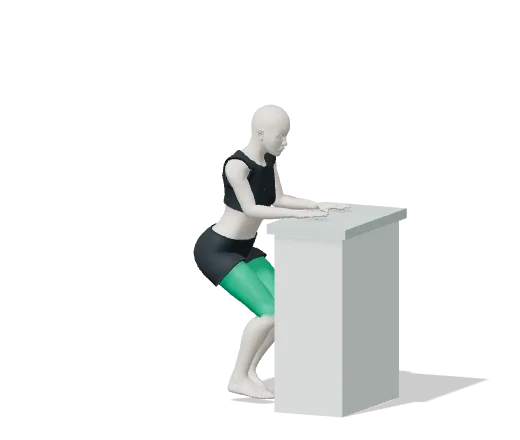

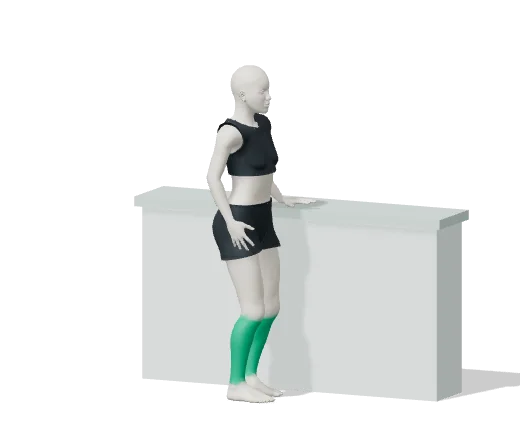
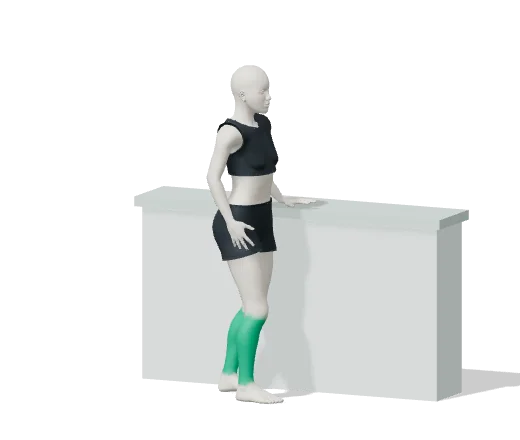

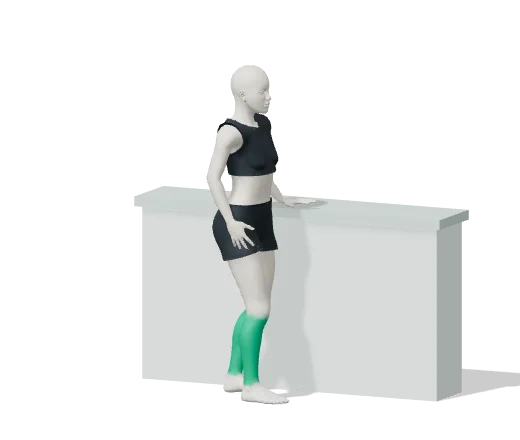
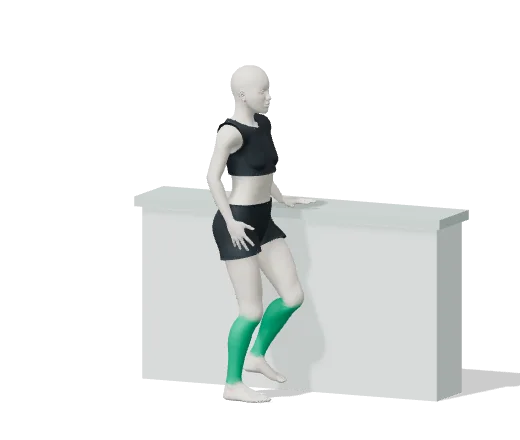
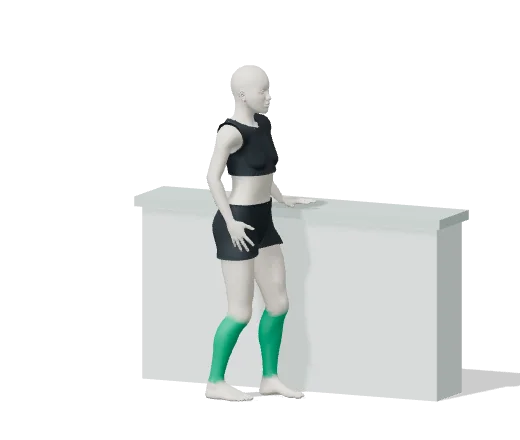

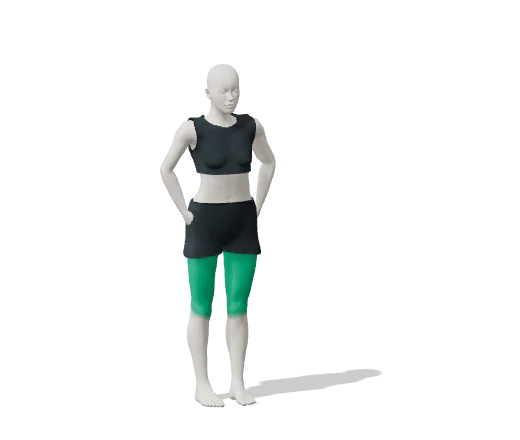
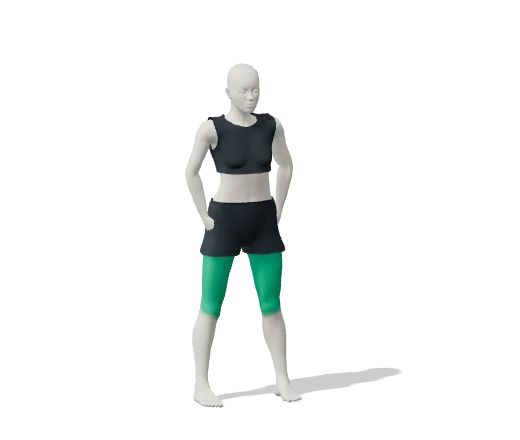
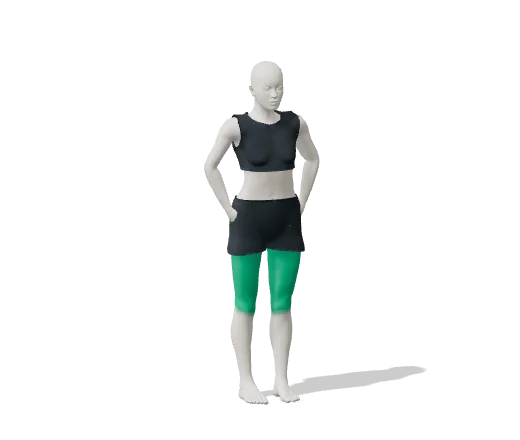

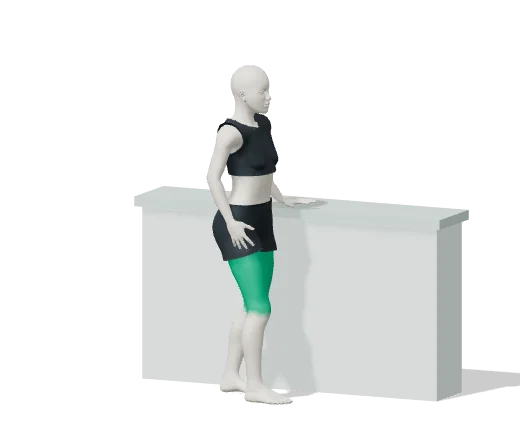
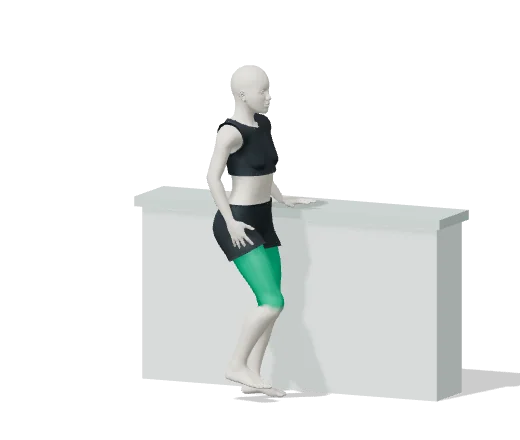
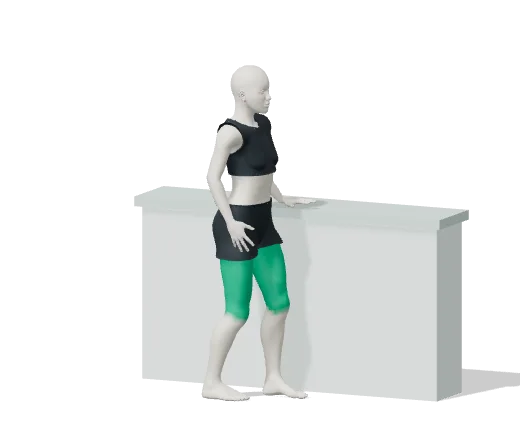

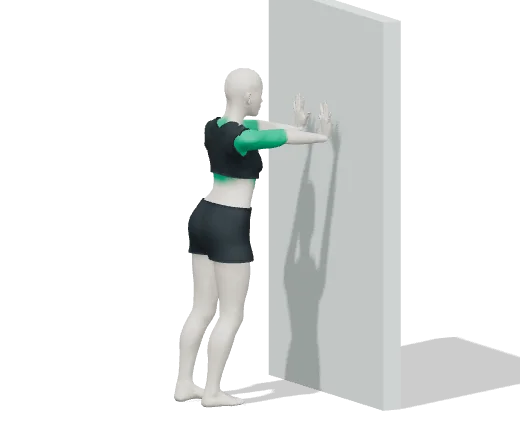
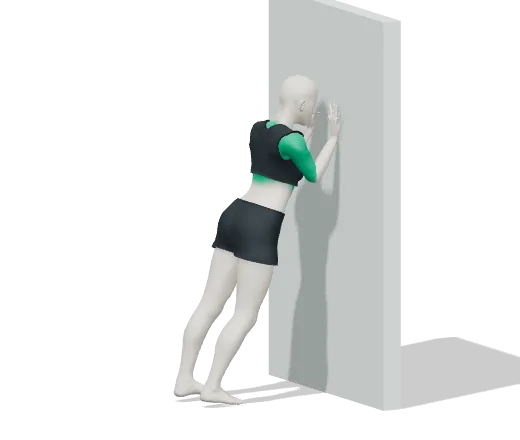

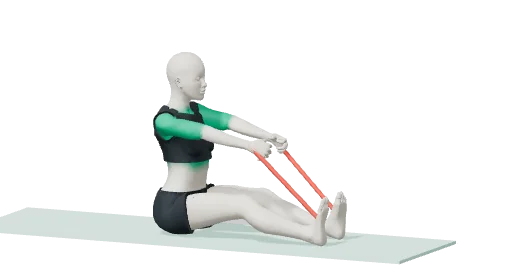
Keep a sturdy chair or a kitchen counter within reach. Move slowly and breathe normally. Each exercise has a number, a moving picture and numbered still pictures of the steps; the stills print with the page. Green marks the part of the body doing the work.
Mobility
1Head and neck turns
1. Stand or sit tall
2. Turn to look over one shoulder
3. Then the other
Stand or sit tall.
Slowly turn your head to look over one shoulder, then the other.
Then gently draw your chin straight back and release.
Add walking only once you are steady enough, aiming for 30 minutes at your usual pace at least twice a week, which can be split into three 10-minute walks.
Expect measurable change within about three months: a frail-adult home programme improved physical performance scores at 3 months, and the Otago programme improved balance by 6 months.
Know a mobility, balance or strength exercise that belongs here? Send a short description and a link to a study or a trusted health source that backs it. Every suggestion is reviewed first, and nobody can pay to be included.
Why it works
Trial means people were assigned at random, so the result shows cause. Observed means people were followed and compared, which shows a link but not proof.
Tap a card to read more and see the source.
TrialAcross 59 trials with 12,981 people averaging 76 years old, exercise programmes cut the rate of falls by 23%.
TrialIn the LIFE trial of 1,635 inactive US adults aged 70 to 89, a walking, strength, flexibility and balance programme cut major mobility disability from 35.5% to 30.1% over 2.6 years (18% lower risk).
TrialAcross 7 trials with 1,503 people averaging 82 years old, the Otago home exercise programme cut the fall rate by 32% and the risk of death over 12 months by 55%.
TrialIn the first Otago trial in women aged 80 and over, the exercise group had 0.87 falls a year compared with 1.34 in the control group, and balance had improved by six months.
TrialIn 670 Oregon adults aged 70 and over at high risk of falling, a tailored tai chi class twice a week for 24 weeks cut falls by 58% compared with stretching.
TrialAcross 121 trials with 6,700 older adults, progressive resistance training done 2 to 3 times a week had a large effect on strength, a moderate to large effect on getting out of a chair, and raised walking speed by 0.08 metres per second.
TrialIn a review of studies in older adults, core strength training raised trunk strength by an average of 30% and balance and functional performance by 23%, and Pilates raised them by 12% and 18%; study quality was limited.
TrialAcross 249 trials in adults with long-lasting low back pain, exercise lowered pain by about 15 points on a 100-point scale compared with no treatment or usual care, and improved function by about 7 points.
TrialAcross 10 trials with 510 people, Pilates lowered low back pain by about 14 points on a 100-point scale in the short term compared with minimal treatment, based on low quality evidence.
TrialIn frail and pre-frail adults over 75, three months of the Vivifrail home programme of strength, balance, flexibility and walking improved a 12-point physical performance score by 0.86 points more than usual care.
TrialIn six small trials, power training (moving the load quickly) added about 1.7 extra chair stands in 30 seconds compared with other training, a difference that was not statistically certain.
TrialIn women aged 58 to 75, those who had done two years of back-strengthening exercises had 1.6% of spine bones fractured ten years later compared with 4.3% in the comparison group.
ObservedIn an early study of 59 women with spinal osteoporosis, new spine fractures occurred in 89% of those given forward-bending exercises and 16% of those given back-extension exercises.
TrialIn people with knee osteoarthritis, exercise likely improves physical function by about 11 points on a 100-point scale compared with a placebo or attention control.
ObservedIn studies following adults over time, doing muscle-strengthening activity was linked to a 10 to 17% lower risk of death, heart disease, cancer and diabetes, with the largest benefit at about 30 to 60 minutes a week.
ObservedIn pooled data from nine studies of older adults, each extra 0.1 metres per second of usual walking speed was linked to a 12% lower risk of death.
ObservedAmong 1,702 adults aged 51 to 75 followed for 7 years, 17.5% of those who could not stand on one leg for 10 seconds died compared with 4.6% of those who could.
ObservedAmong 2,002 adults aged 51 to 80 followed for about 6 years, lower scores on a test of sitting down on and rising from the floor were linked to higher death rates.